










25 Feb 2026
Water Damage Restoration Denver for Older Metro Homes
Protect your historic Denver property from aging pipes and foundation leaks. BoneDry Services provides 24/7 Water Damage Restoration Denver with a 90-minute arrival.
read more
Our Goal is for the Customers to have no out-of-Pocket Costs



.jpg)



.svg)

.svg)
.svg)
.svg)

JD got our small job patching a hole sorted out really quickly. His team was efficient and communicated with us really well through the whole process. You would never be able to tell there was a hole in the ceiling. Highly recommend!

We had an unexpected water issue that flooded part of our basement on super bowl sunday and Bone Dry Services came to the rescue. From start to finish, the experience was professional, efficient, and stress-free.

Roman and Francisco worked for two days on my place. The were hardworking and very polite. Excellent communication skills and kept me updated on everything that was happening. Bone dry services has two great employees.

JD got our small job patching a hole sorted out really quickly. His team was efficient and communicated with us really well through the whole process. You would never be able to tell there was a hole in the ceiling. Highly recommend!
Roman and Francisco worked for two days on my place. The were hardworking and very polite. Excellent communication skills and kept me updated on everything that was happening. Bone dry services has two great employees.
JD got our small job patching a hole sorted out really quickly. His team was efficient and communicated with us really well through the whole process. You would never be able to tell there was a hole in the ceiling. Highly recommend!
I am going to steal a comment from the previous review - J.D. Stewart went above and beyond for me; That absolutely sums up my sentiment. While unlike the previous review, honestly I was not totally happy with the initial progress. JD was able to change my view of BoneDry. I acknowledge that every company has problems, but the important thing is to address them decisively and correct them rapidly. BoneDry did that with irreplaceable from JD. Because of that I am willing to overlook their (resolved) problems and recommend their services to anyone.
Bone Dry Services were great to work with. From Heidi always being available to communicate and answer our questions super quickly. To Ana, Burke, and Lina doing great work with a detailed cleaning. Jorge made sure everything was done to top quality, taking care of our house as if it was his own. And then JD, Manuel, and their team did a great carpet installation, making sure we were super happy with how it turned out. We definitely recommend!
Roman and Francisco worked for two days on my place. The were hardworking and very polite. Excellent communication skills and kept me updated on everything that was happening. Bone dry services has two great employees.
My water heater flooded my home back in May 2025 and a plumber from AAA Service Plumbing, Heating, and Electric came out to replace it. When the plumber was at my home, he told me about Bone Dry Services and called them to come out. Bone Dry immediately came to my home and assessed the damages. And they immediately set up fans and dehumidifiers for mitigation of the water damages. I had already had a water damage claim opened up with my insurance carrier and so the process got started between Bone Dry and my insurance company.
JD got our small job patching a hole sorted out really quickly. His team was efficient and communicated with us really well through the whole process. You would never be able to tell there was a hole in the ceiling. Highly recommend!
.svg)
I can’t recommend Bone Dry Services enough! From start to finish, their team went above and beyond to ensure my water damage issue was handled professionally and efficiently.
Tyson assessed the situation with expertise, not only identifying the problem but also taking the time to educate me on what to look for and how to better understand the issue. His knowledge and willingness to explain everything made a huge difference.
.svg)
Maria and Karen were wonderful! I would definitely have Bone Dry out again if we need this type of cleaning. We had concrete dust covering everything after some restoration work, but these two ladies did a great job cleaning all my walls and floors. It feels a lot better in my house now.
.svg)
The whole Bonedry team really stepped up to help us with an entire bathroom restoration so we could close on our house in time! Brandon from the restoration team really stood out! He communication the entire time really went above and beyond. He was attentive and efficient! Thank you Brandon and Bonedry!
We had an unexpected water issue that flooded part of our basement on super bowl sunday and Bone Dry Services came to the rescue. From start to finish, the experience was professional, efficient, and stress-free. A huge shout out to Bryan R and Sara. Bryan was incredibly knowledgeable and thorough with the mitigation process, and Sara was so helpful and communicative throughout. They made a tough situation much easier to handle. Highly recommend Bone Dry Services for anyone dealing with water damage!
.svg)
John, Santiago and JJ were all wonderful to work with. Very knowledgeable, prompt, and kind. They didn't rush, took time to explain the process. I'd definitely recommend BoneDry Services. They even brought my trash can up from the road.
.svg)
I’m so grateful for the help, attention to detail and customer service that Bone Dry has provided. It’s never convenient to have a pipe burst, but working with a company that has been kind, transparent and helped explain every step of the process has us given such peace of mind.

I run a plumbing company and needed help from a restoration company on a Sunday. They answered right away and were on the job site in less then an hour....... on a SUNDAY. Even though my customer was understandably upset, they dealt and worked with him and explained the restoration process. Colton and Connor are the best. If I ever need a restoration company they are going to be the only ones I call. Thanks guys. 🌟🌟🌟🌟🌟


Owning a historic or older home in the Denver metro area comes with a unique set of challenges, particularly when it comes to moisture. From Congress Park to Highland, older properties possess character but often hide aging infrastructure that leads to sudden emergencies. When a leak occurs, immediate Water Damage Restoration Denver is essential to prevent permanent structural rot and toxic mold growth.
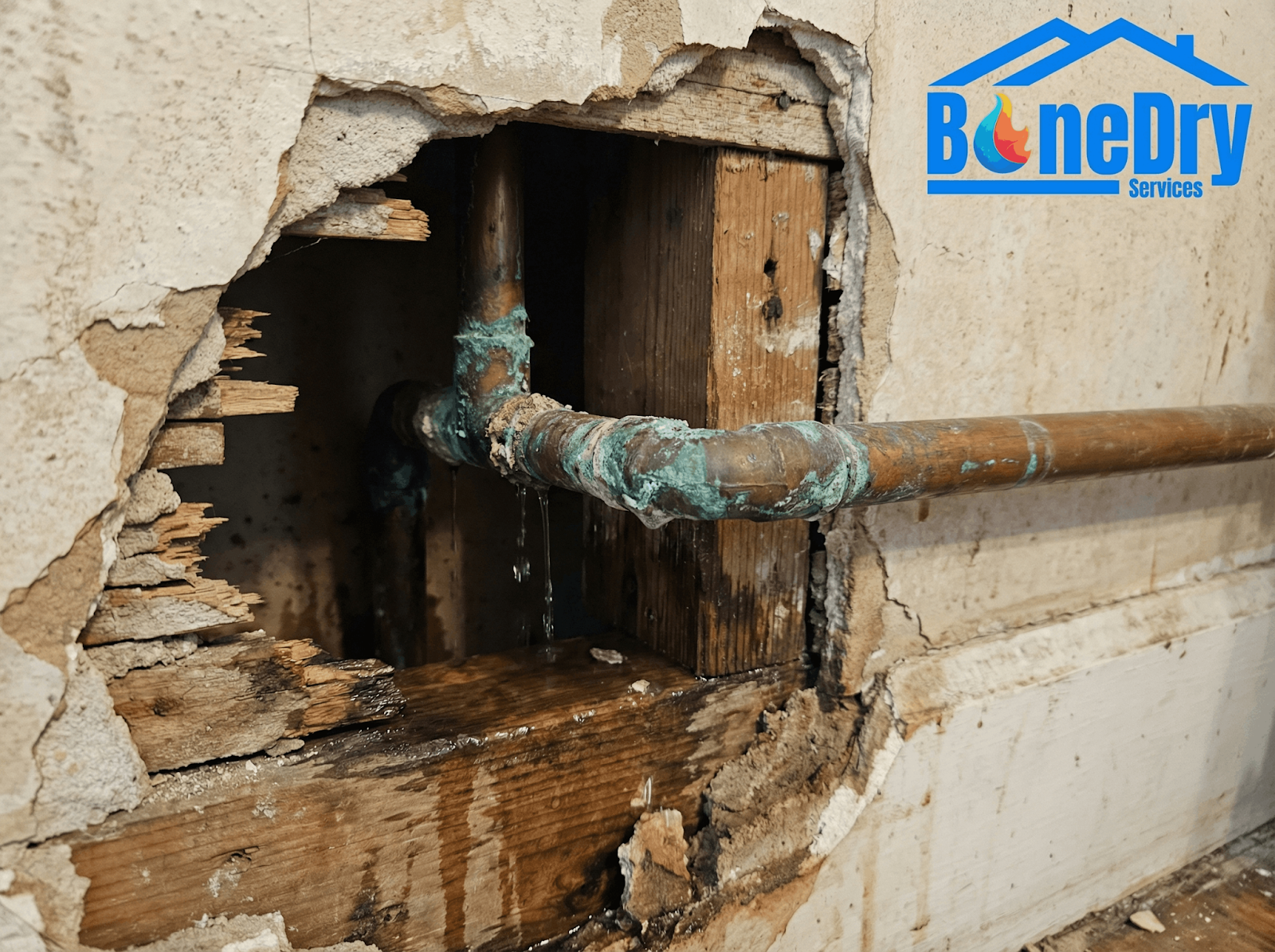
Many older homes in Denver still contain their original plumbing, which may include galvanized steel or even lead pipes. Over several decades, these materials corrode from the inside out, leading to pinhole leaks hidden behind lath and plaster walls.
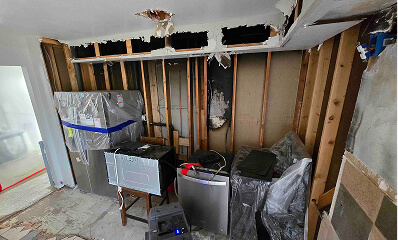
When these pipes finally burst, the volume of water can be catastrophic. Our team specializing in Water Damage Restoration Denver often finds that these leaks have been slow-dripping for months, requiring extensive structural drying and dehumidification to save the original woodwork and framing.
Denver’s soil is known for being "expansive," meaning it shifts significantly between wet and dry seasons. In older homes, foundations have had decades to settle, often resulting in deep cracks. During heavy spring rain or rapid snowmelt, water is forced through these fissures into your basement or crawl space.
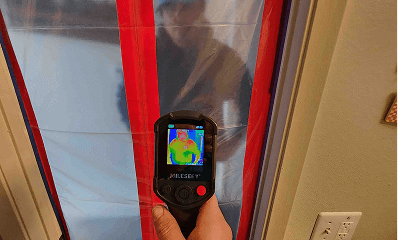
Without professional Water Damage Restoration Denver, this groundwater can compromise the stability of your home. We use thermal imaging to detect moisture paths through the foundation, ensuring that our mold removal and remediation protocols are applied to every affected area before the cracks are sealed.
Groundwater entry is particularly dangerous in older Denver homes because it can lead to foundation erosion. Our specialized Water Damage Restoration Denver process ensures that water is not only removed but that the structural integrity of the concrete is preserved.
Comprehensive Water Damage Restoration Denver identifies why moisture entered in the first place. In many historic neighborhoods, clogged gutters or improper soil grading funnel thousands of gallons of runoff toward your foundation. Our team evaluates these external factors, recommending solutions like French drains or sump pump upgrades. By addressing the root cause, our Water Damage Restoration Denver process ensures your basement stays dry long after the initial cleanup is complete.
In older Denver neighborhoods, many homes are still connected to the city's main lines via original clay sewer pipes. Over time, tree roots from mature maples and oaks penetrate these pipes, causing blockages and collapses. This leads to the most "category 3" (black water) emergencies we see.
A sewage backup requires specialized Water Damage Restoration Denver because the water is highly contaminated. Our sewage cleanup experts address:
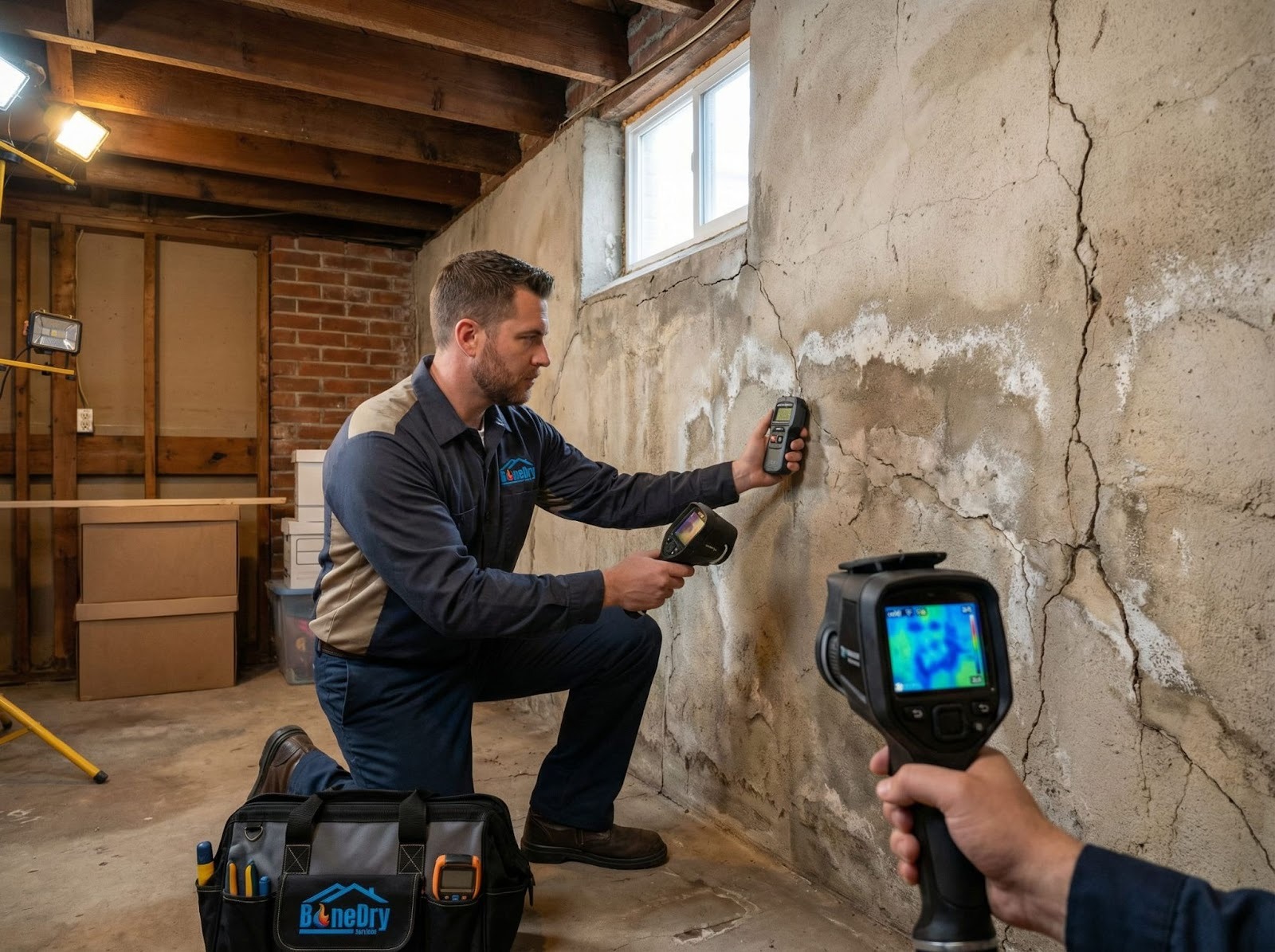
The first step is always removing the standing water. In older homes with porous materials like hardwood or lath, every minute counts to prevent the materials from warping beyond repair or suffering permanent saturation.
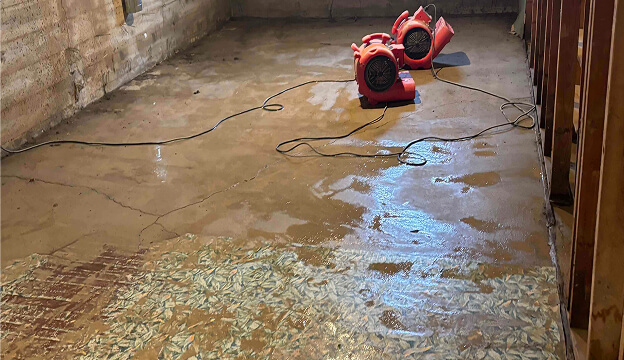
Older Denver properties often contain hidden wall cavities or "dead air" spaces that trap moisture behind thick plaster. We utilize high-velocity air movers and specialized targeted ventilation systems to force dry air into these internal voids, providing a critical level of precision in comprehensive Water Damage Restoration Denver.
Once the drying is complete, we conduct a final safety inspection. We ensure that the unique architectural elements of your Denver property—from historic trim to original plaster—are stabilized and ready for the reconstruction phase.
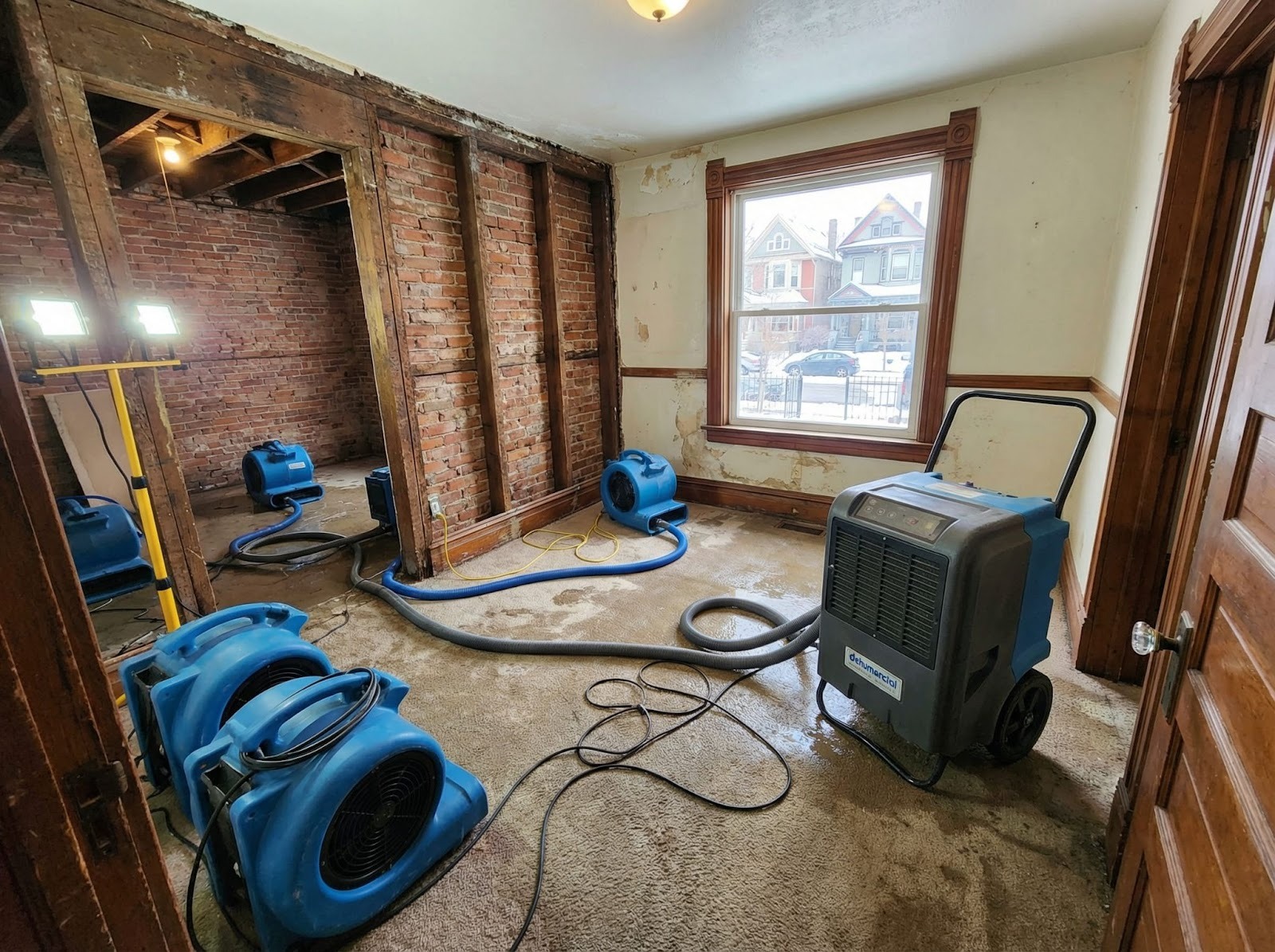
If your older Denver home is showing signs of a leak, foundation moisture, or plumbing failure, don't wait. BoneDry Services offers a 90-minute arrival guarantee to provide the most reliable Water Damage Restoration Denver available. We understand the architecture of Denver’s historic homes and treat your property with the respect it deserves.
Q1: Can water damage be repaired?
Yes. Professional Water Damage Restoration Denver can save most structures and contents if the extraction and drying process begins within 24–48 hours.
Q2: How quickly does mold grow after water damage?
Mold typically begins to colonize within 24 to 48 hours. Professional Water Damage Restoration Denver is essential to dry the property before spores can spread.
Q3: How much does mold remediation cost in Denver?
In the Denver area, small remediation projects usually range from $1,500 to $3,500, while extensive structural mold removal can exceed $6,000 depending on the damage.
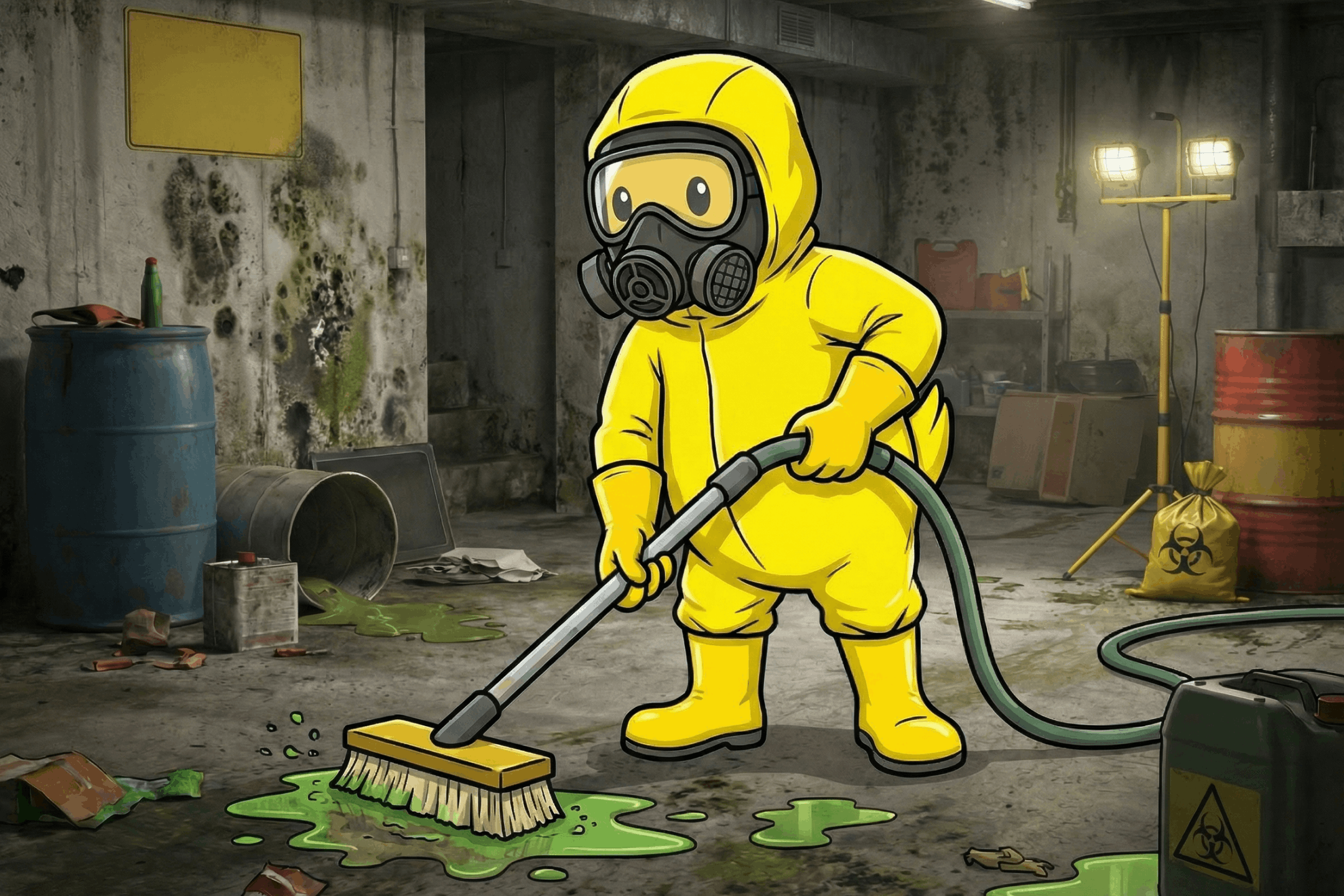
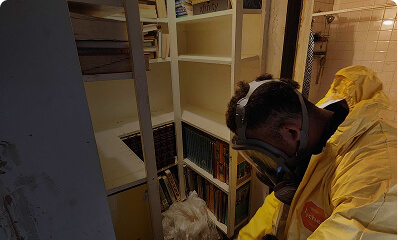
Biohazard situations are among the most sensitive scenarios a property owner can face. Unlike standard cleaning, biohazard cleanup Denver involves the removal and disinfection of hazardous materials that pose significant health risks. In Colorado, where extreme weather and remote mountain properties can complicate discovery, professional intervention is a safety requirement.
Handling these environments without specialized training and equipment can lead to the spread of infectious diseases. This guide covers why professional help is necessary for biohazard cleanup and what to expect from the remediation process.
A biohazard is any biological substance that threatens human health. When these substances seep into porous materials, household cleaners are insufficient. Professional biohazard cleanup Denver ensures every trace of contamination is neutralized. This often requires structural drying and dehumidification if fluids have saturated the building's framework.
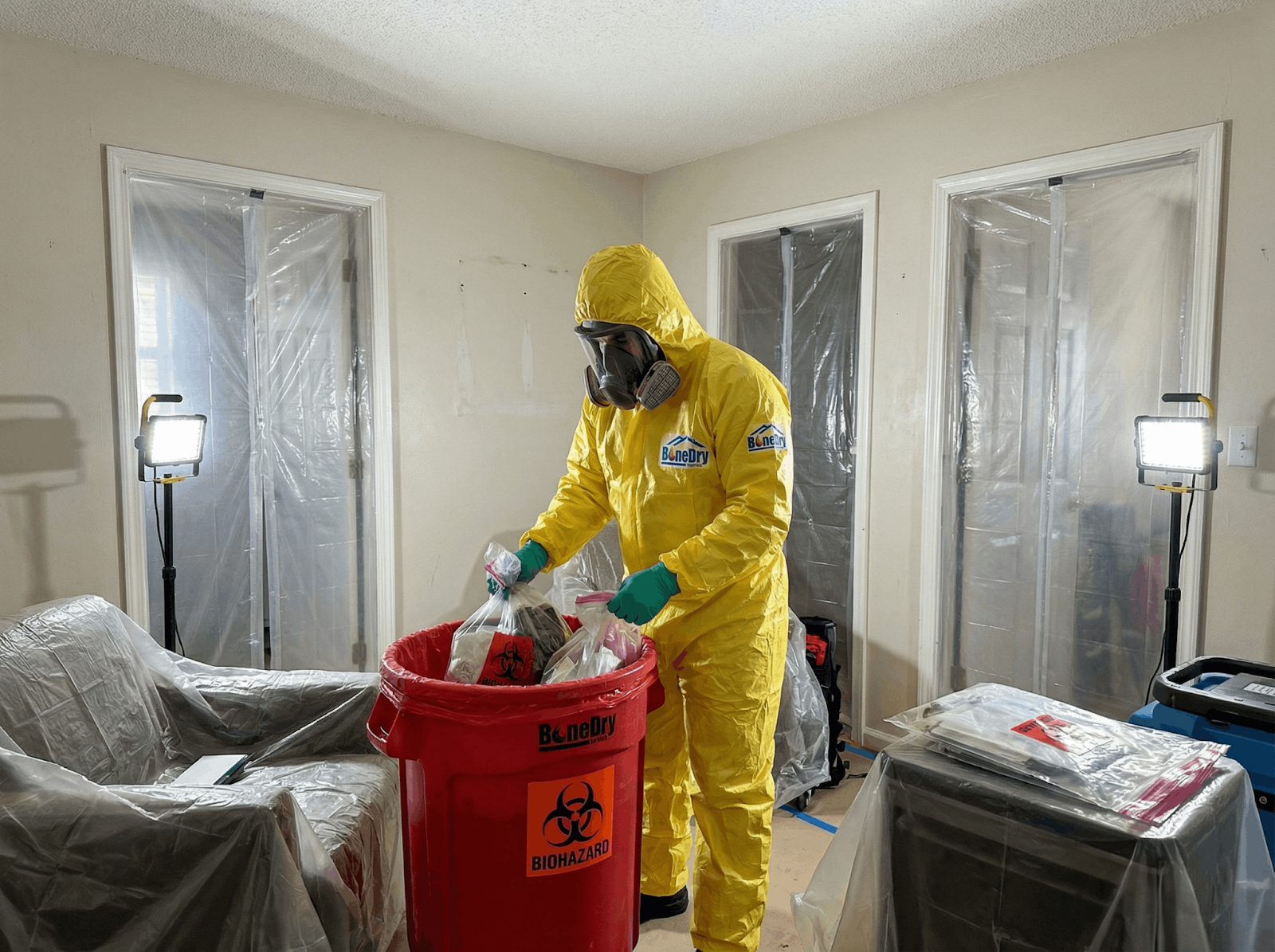
In Colorado, certain scenarios require more than a standard cleaning crew. To protect your health and property value, professional biohazard cleanup is essential for the following situations.
When a death goes undiscovered, decomposition releases contaminants that penetrate floorboards. Our experts use enzyme-based cleaners to break down biological matter and industrial odor removal treatments to eliminate smells at a molecular level.
Hoarding often hides secondary hazards. If the property has also suffered from sewage cleanup issues or animal waste, professional intervention is vital for:
A rising concern in the Front Range is drug residue. Even microscopic amounts of fentanyl can be lethal. We provide specialized decontamination to ensure the property is safe and legally compliant for occupancy.
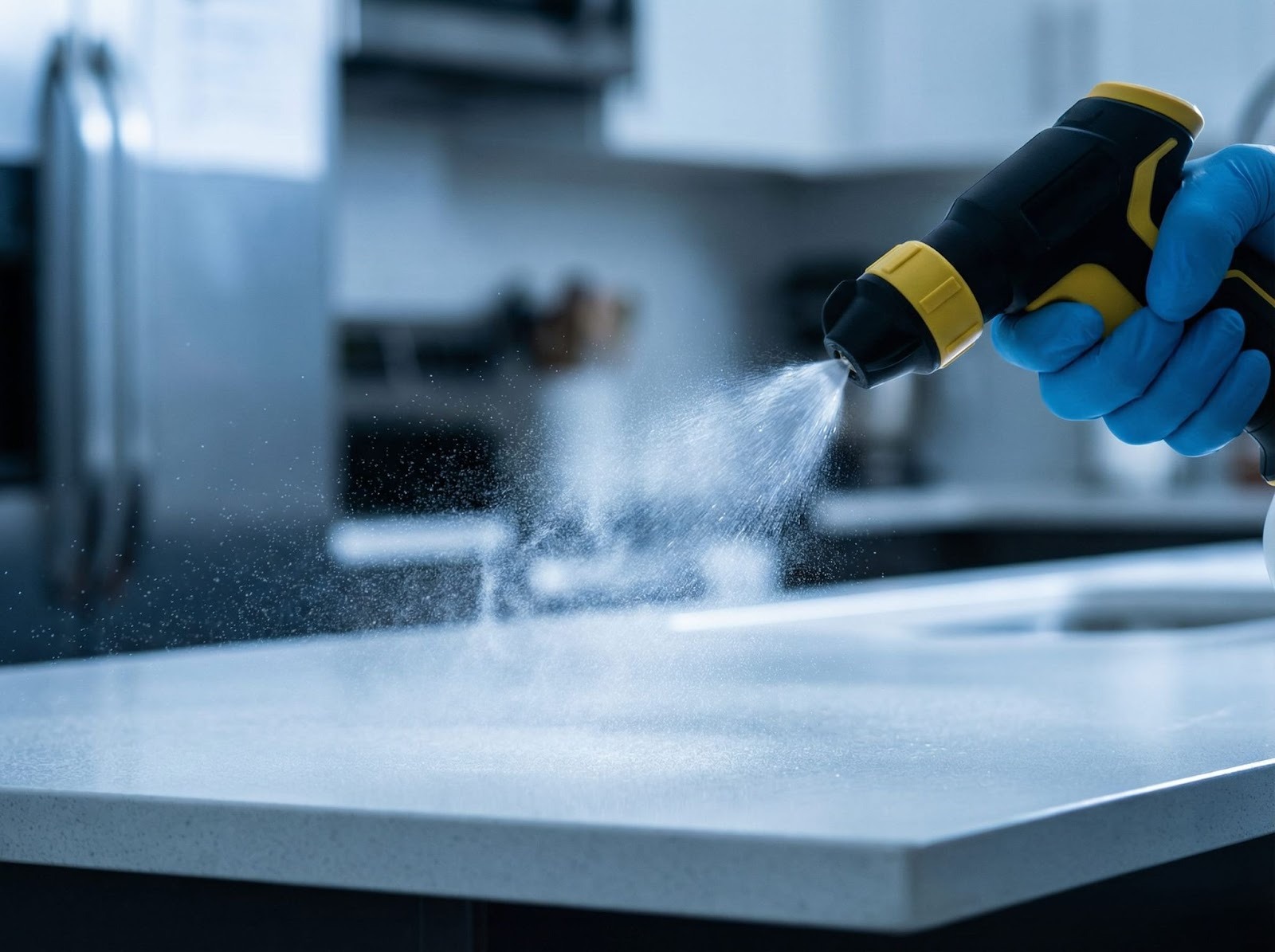
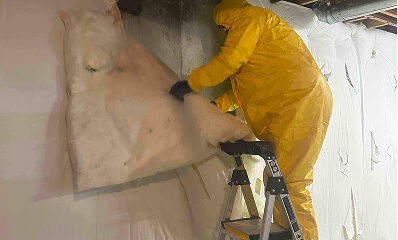
Technicians identify affected areas and set up physical barriers to prevent cross-contamination. If the property was damaged during an incident, we may provide an emergency board-up to secure the structure.
Dealing with a biohazard is emotionally and physically taxing. BoneDry Services provides compassionate remediation across Colorado. Our certified technicians arrive within 90 minutes to secure the scene, ensuring your property is safe and fully restored.
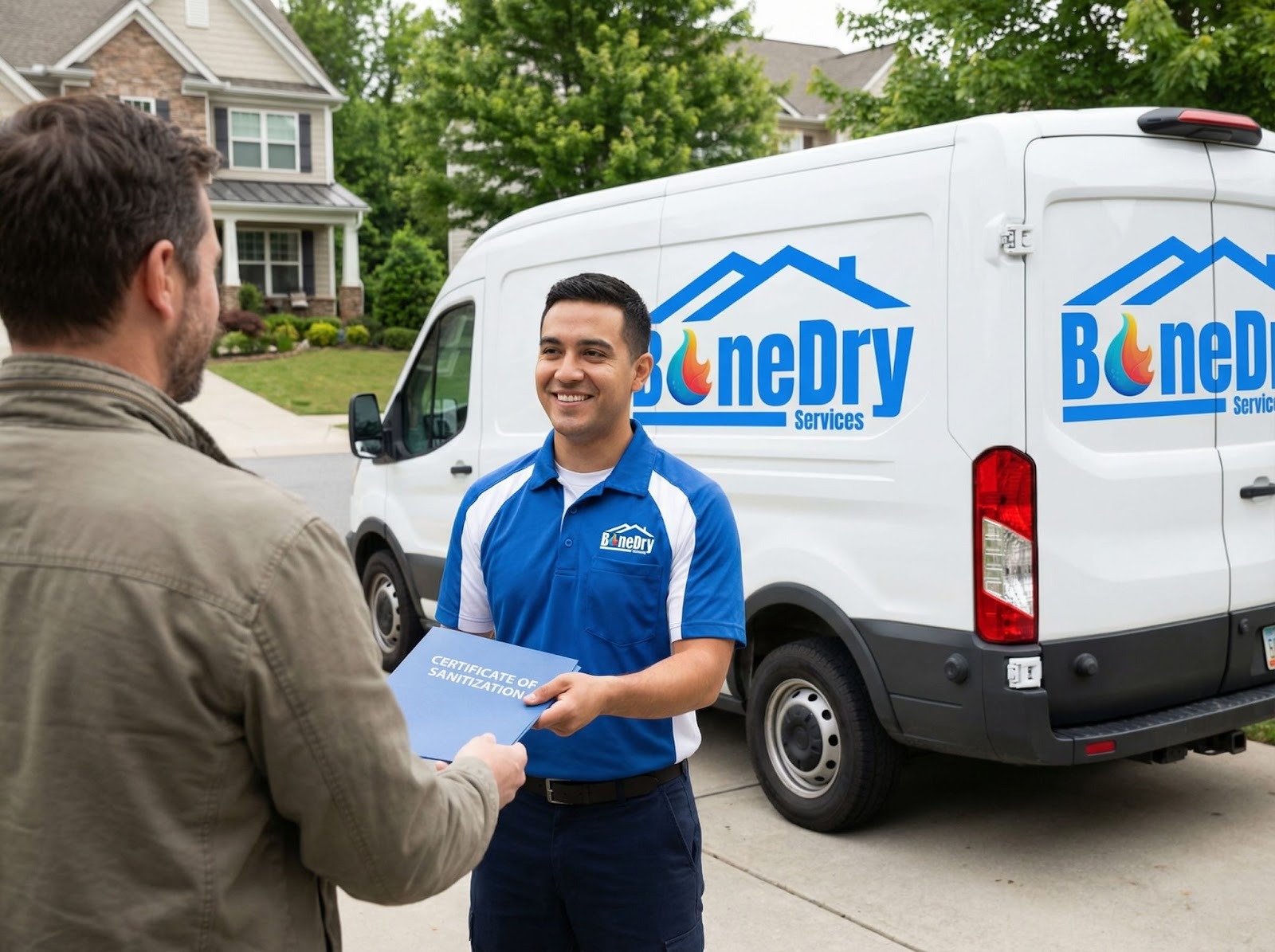
Q1: Is biohazard cleanup covered by insurance?
In many cases, yes. Most homeowners' policies cover remediation for trauma or sudden loss. We help with documentation for your claim.
Q2: Can I clean a biohazard scene myself?
It is not recommended. Without industrial-grade disinfectants and PPE, you risk exposure to infectious diseases that household cleaners cannot kill.
Q3: How long does the cleanup process take?
Most projects are completed within 24 to 72 hours, though extreme hoarding cases may take longer.
Q4: Is the cleanup process discreet?
Yes. We operate with the utmost respect for your privacy and use professional vehicles to maintain a low profile in your neighborhood.
Q5: What happens to the items that are removed?
All biohazardous waste is transported and disposed of at a licensed medical waste facility according to federal regulations.

Winter in Colorado brings a unique set of fire risks. From overtaxed space heaters and chimney flare-ups to holiday accidents, a house fire can happen when you expect it least. Once the flames are out, the real challenge begins: dealing with the aftermath of smoke, soot, and freezing temperatures that complicate the recovery process.
Cleaning up after a winter fire requires more than just soap and water. It involves specialized structural cleaning, hazardous soot removal, and aggressive odor neutralization to make your home livable again.
This guide covers the essential steps for successful fire and smoke damage restoration and how to protect your property during a cold-weather recovery.
When a fire occurs in the winter, the structural integrity of your home is the first priority. Fire weakens wooden beams and drywall, but in Colorado, the cold adds a secondary threat. If water was used to extinguish the flames, it can quickly freeze inside your walls, leading to cracked foundations.
Professional restoration involves removing charred debris and assessing the "bones" of the house. Technicians use thermal imaging to find pockets of moisture trapped behind walls that could turn into ice. This process is often paired with professional water damage restoration to address both fire residue and the moisture left behind by firefighting efforts before they cause permanent structural failure.
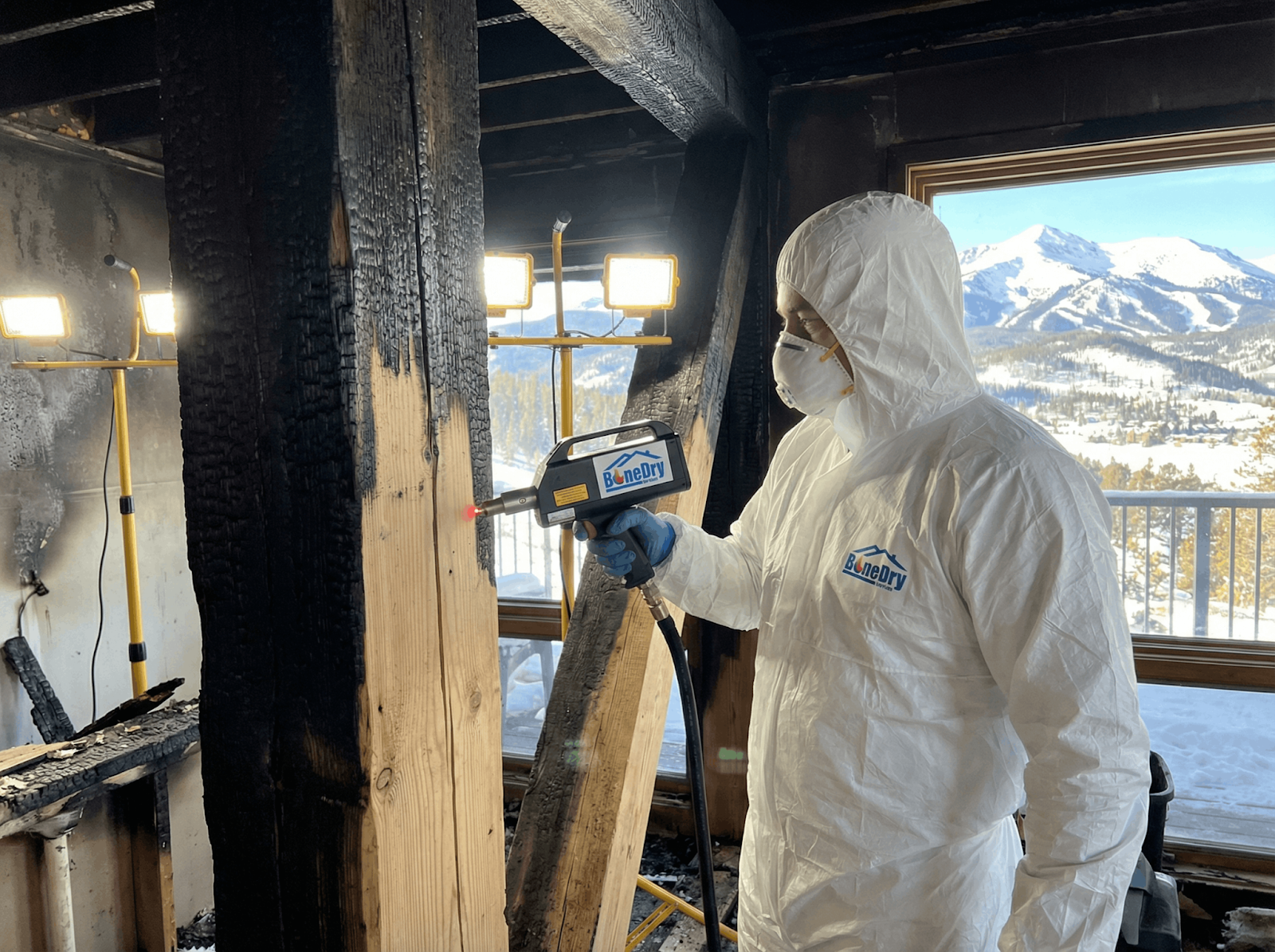
Soot is more than just an eyesore; it is a microscopic hazard. During a winter fire, soot often travels through the HVAC system as the heater runs, spreading oily residue into every room—even those untouched by flames.
There are different types of soot, ranging from dry powder to oily smears from furnace malfunctions. Using the wrong cleaning method can permanently stain your walls. Experts utilize HEPA vacuums and chemical sponges to lift soot without rubbing it deeper into the paint. Because winter homes are sealed tight, soot concentration can be much higher, making professional contents restoration vital for your furniture and clothing.
One of the biggest complaints after a winter fire is the persistent smell. Whether the fire was caused by a fireplace backup or a malfunctioning furnace, the burnt smell can linger for months. This happens because smoke particles are driven deep into porous materials by the heat.
Masking the smell with candles or sprays does not work. True odor removal requires molecular neutralization. Professionals use ozone generators or hydroxyl machines to break down the odor-causing molecules. This is especially important for winter fires involving protein smoke, which is invisible but leaves a pungent, greasy odor that requires specific enzymatic treatments to eliminate.
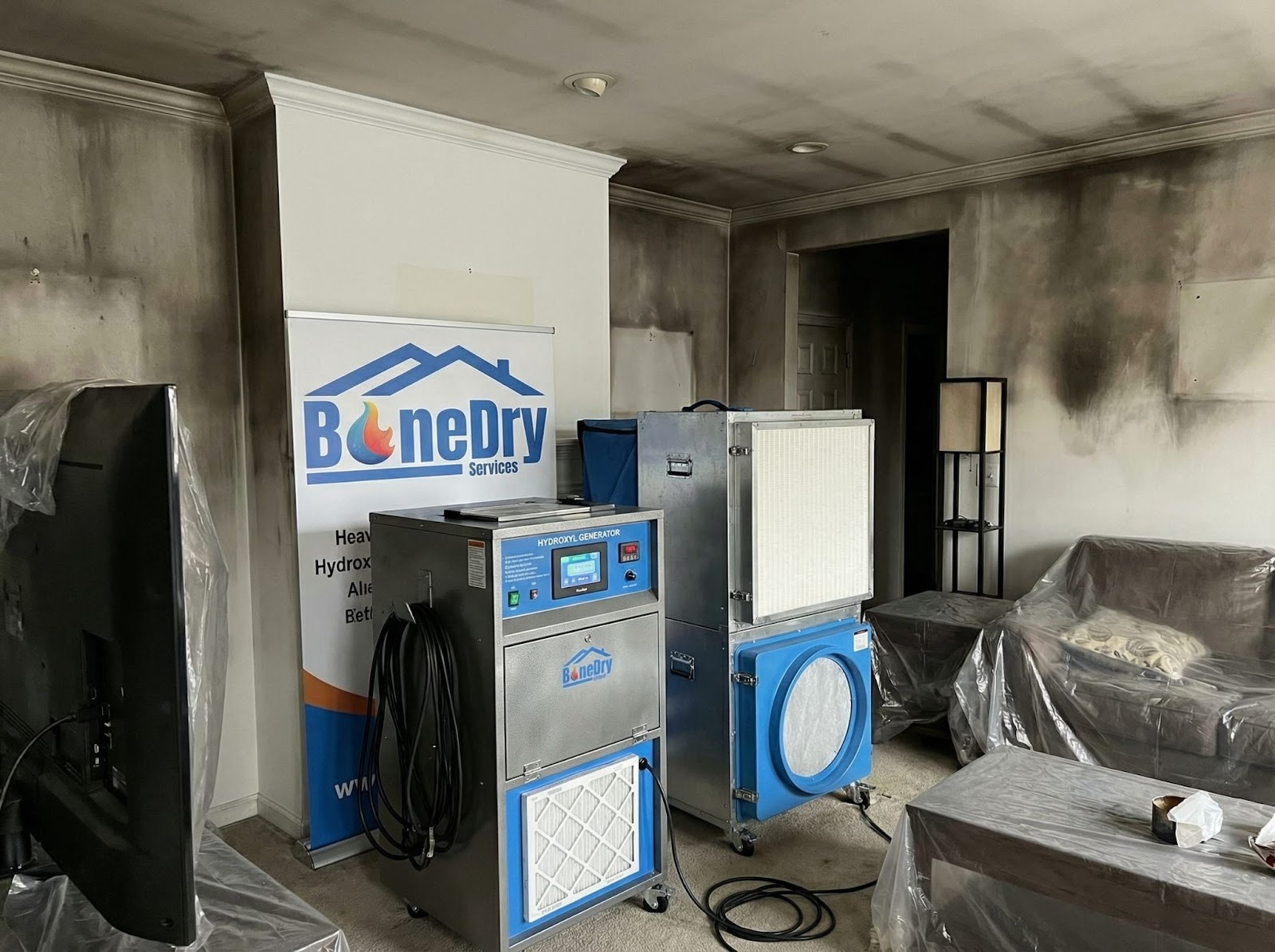
If you experience a fire during the Colorado winter, your timeline for restoration is much shorter due to the freezing weather.
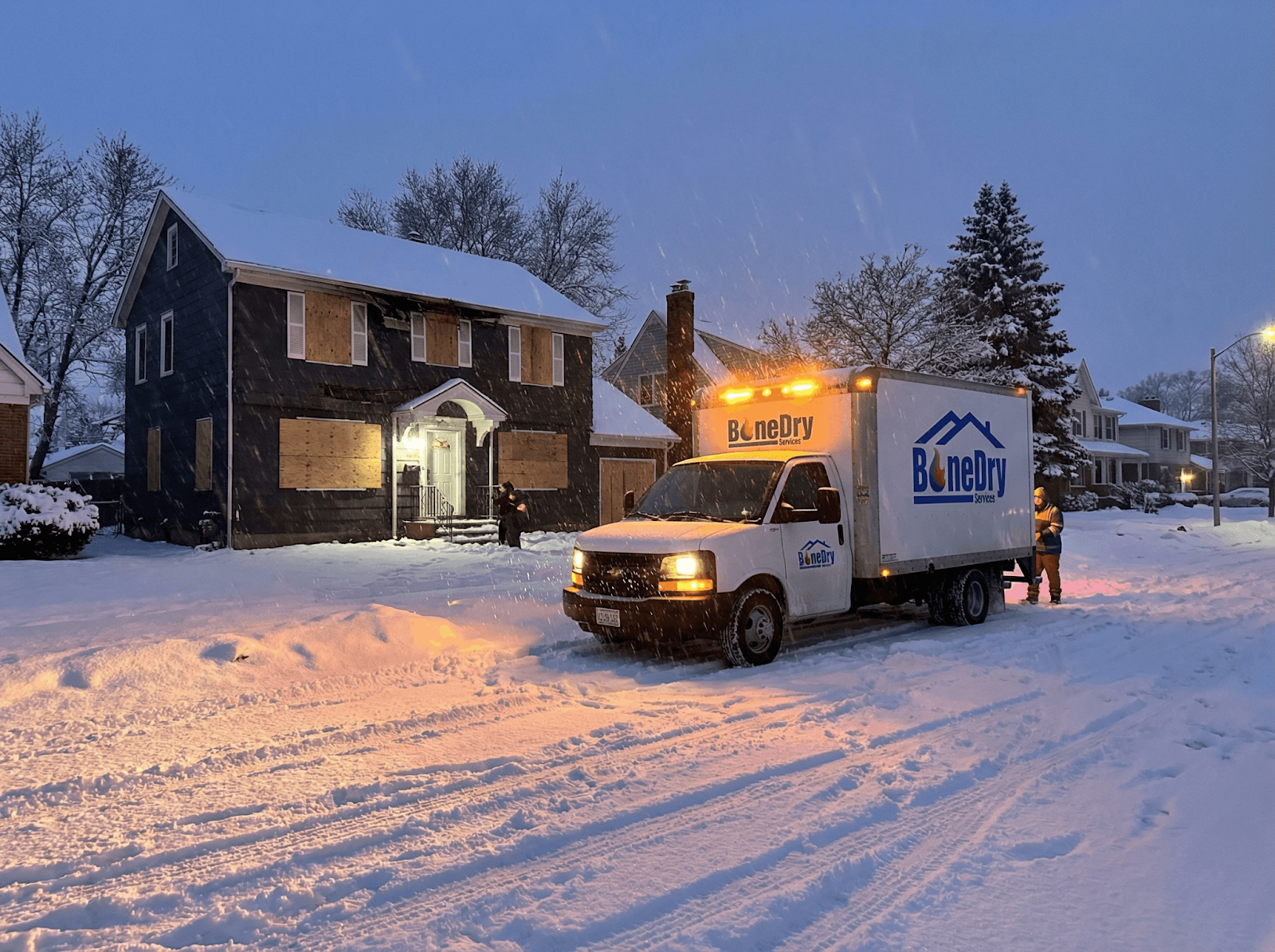
Don't let a winter fire freeze your progress or ruin your property's value. BoneDry Services provides a 90-minute arrival guarantee to secure your home, remove hazardous soot, and eliminate stubborn smoke odors immediately. Our team handles everything from 24/7 emergency board-ups to full structural reconstruction.
Your home deserves a fresh start and we are here to provide it.
Q1: What is fire damage restoration? It is the professional process of cleaning, decontaminating, and rebuilding a home after a fire. This includes removing soot, extracting firefighting water, and neutralizing smoke odors to make the property livable again.
Q2: How much does fire damage restoration cost? Costs range from a few thousand dollars for minor smoke cleanup to over $50,000 for structural repairs. Because it’s a covered peril, most homeowners only pay their insurance deductible while we handle the rest with the adjuster.
Q3: How to restore fire damage? The process involves five main steps: securing the site (board-up), drying out water damage, removing soot with specialized equipment, neutralizing odors at a molecular level, and final structural reconstruction.
Q4: Does fire smoke smell ever go away? Yes, but only if you neutralize the molecules. Household sprays just mask the scent; professionals use ozone or hydroxyl generators to permanently break down smoke particles embedded in walls and furniture.
Q5: What is the 30/30/30 rule for fire? It’s a danger threshold for fire spread: humidity below 30%, winds above 30 mph, and temperatures above 30°C. In these conditions, fires ignite easily and spread rapidly, increasing the risk of total loss.
Q6: How hard is it to fix fire damage? Extremely. It requires handling toxic soot, stabilizing weakened structures, and cleaning hidden damage inside HVAC ducts. Due to health and safety risks, it is not a DIY-friendly project.
Q7: Is it bad to buy a house that had fire damage? Not if it was professionally restored and certified. However, if the cleanup was a DIY job, the house may have hidden structural issues or odors that resurface in the heat. Always check for restoration permits.

We offer 24/7 emergency response and can arrive at your property within 90 mins to assess damage and start restoration. Time is crucial, and our team is always ready to act fast.
Yes! We work directly with your insurance company, providing detailed documentation of damages and restoration efforts to help make the claims process as smooth and efficient as possible.
We specialize in water, fire, mold, sewage, storm damage, biohazard cleanup, and more. Whether you're facing flooding, fire damage, or hazardous contamination, we have you covered.
Yes, all of our technicians are certified and trained to handle hazardous materials, including mold, sewage, and biohazards. We follow strict safety protocols to ensure your property is safe.
Simply contact us via phone or our online form. We’ll schedule a free inspection at your convenience to assess the damage and provide a detailed restoration plan.


